Scoping Review of AI, Metrology, and ESG in the Semiconductor Sector
Implications for Safe and Sustainable by Design (SSbD)
2026-06-11
Scoping Review of AI, Metrology, and
ESG in the Semiconductor Sector
Implications for Safe and Sustainable by Design (SSbD)
RS-MI-2B: AI, Generative AI & Digital Transformation, ICE 32nd Ed.
Tuesday, 23/June/2026: 3:00pm - 4:20pm; Location: Room Miragaia


🌱 Section I: The Semiconductor Twin Transition
- Precision Scaling: Rapidly advancing sub-5 nm processing nodes.
- Sustainability Mandates: Regulatory pressure from EU CBAM and CSDDD.
- Systemic Volatility: Geopolitical friction and historical supply chain disruptions.
Caution
Screenshot (not in the paper): Source

Semiconductor Business Connect 2026
🌱 I.A Motivation: GRC Landscapes & SSbD
- GRC: Governance, Risk, and Compliance alignment strategies.
- SSbD Framework: Safe and Sustainable by Design material lifecycle safety.
- UN SDGs: Integrating Goal 9 (Innovation) and Goal 12 (Responsible Production).

JRC SSbD framework
Note. The above image is not in the paper but sourced directly from the EC JRC site.
👩🏫 Section IV: Findings
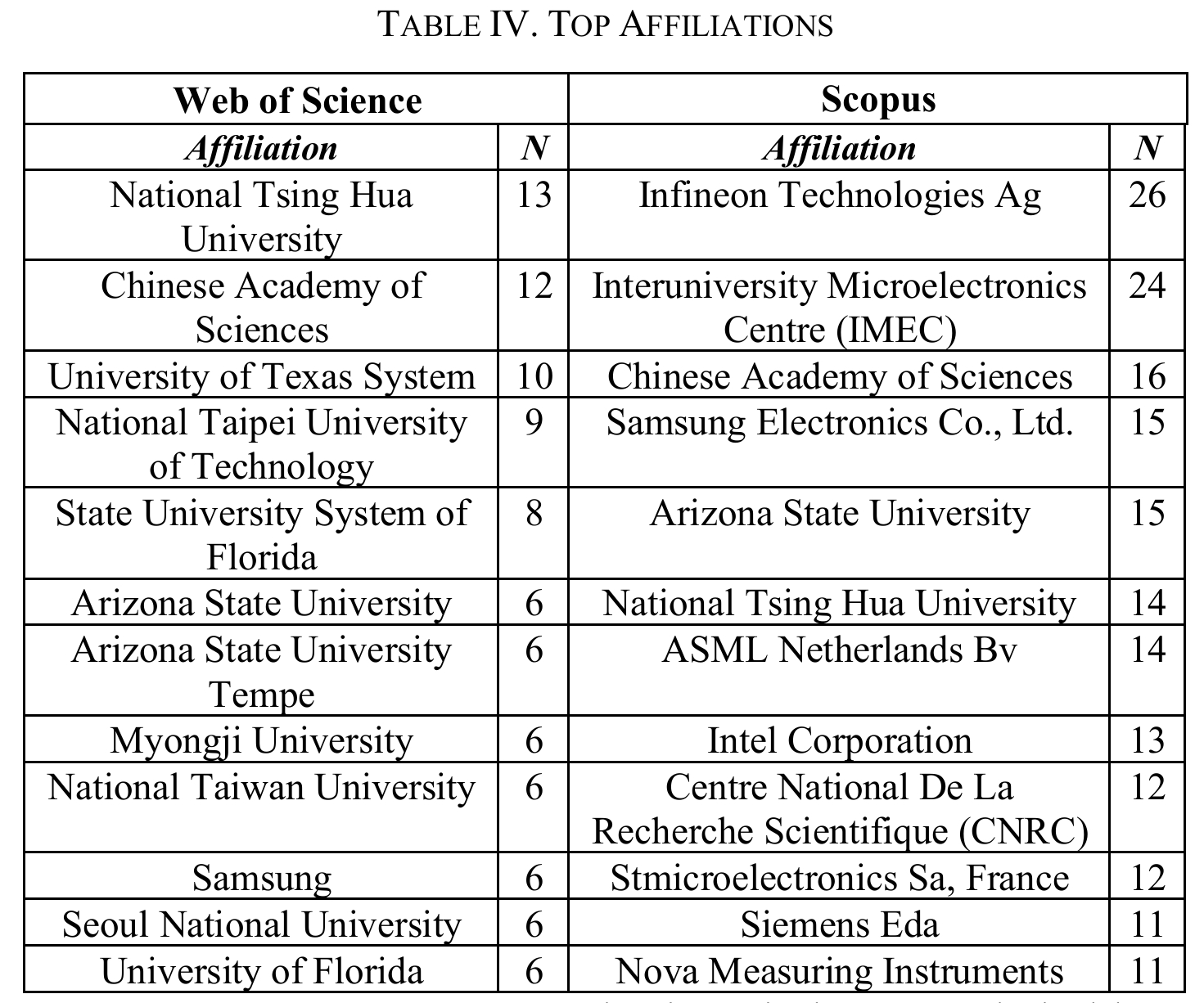
👩🏫 IV.A: Institutional Affiliation
Table IV. Top Affiliations: WoS vs Scopus
👩🏫 IV-B: Global Collaboration Networks
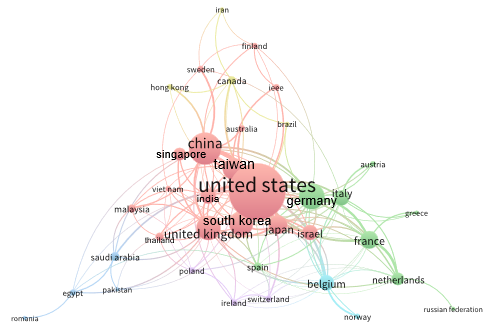
Fig 1: International Co-authorship Networks
- Geopolitical Interdependence: Dense trans-Pacific and Euro-Asian edges.
- Hub Dominance: US, China, South Korea, and Taiwan lead networks.
- Regulatory Friction: High research collaboration vs. fragmented ESG compliance.
👩🏫 IV-D: Conceptual Structure - Factorial
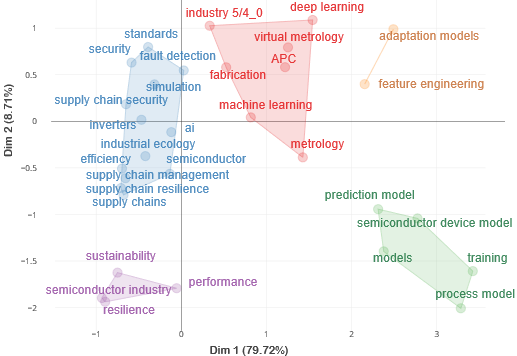
Fig 2: Relational Factorial MCA Map
- Cluster 1 (Red): AI-Driven Smart Manufacturing (VM, Deep Learning).
- Cluster 4 (Purple): Sustainability and Device Performance.
- The Structural Hole: Isolation between environmental metrics and the AI-core.
👩🏫 IV-E: Conceptual Structure - Keyword Co-occurrence Topology
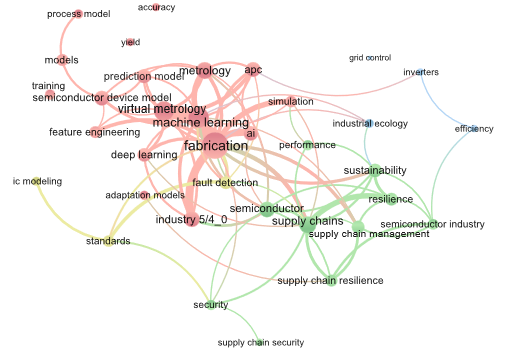
Fig 3: Keyword Co-occurrence Network
- Core Core-Periphery Structure: Dense core around fabrication and VM.
- Disconnected Peripheries: Standards and Power Electronics are isolated.
- Required Fix: Establishing explicit “grid-to-core” data pathways.
🗪 V.A: Research Questions Revisited
- RQ1: Data Interoperability: Solved via federated data spaces.
- RQ2: Scarcity Adaptation: Addressed through virtual metrology soft-sensors.
- RQ3: Eco-Efficiency: Balancing local yields with global Scope 3 mandates.

Fig 4: Safe and Sustainable by Design architecture
Note: Conceptual outline of Fig. 4.
🗪 V: Base-Substitution & RegTech Layers
Fig 4: Safe and Sustainable by Design architecture
- SSbD Substitution: Targeting PFAS, PFCs, and scarce mineral abatement.
- RegTech Layer: Deploying digital product passports for clear provenance.
- Defensive Prompting: Preventing compliance gaming in automated reporting.
🗪 V: Core-Federated Spaces & Metrology
Fig 4: Safe and Sustainable by Design architecture
- Federated Data Fabrics: Preserving cross-border data sovereignty.
- Metrology Optimization: Real-time closed-loop Statistical Process Control.
- Grid-to-Core Pathway: Connecting sensor power metrics to CBAM logs.
🎁 Section VI: Conclusion
Toward Intelligent, Sustainable, and Scalable manufacturing
- Silo Elimination: Merging factory analytics with ESG reporting.
- System of Systems Paradigm: Local process optimization must serve global limits.
- Interdependence: Global research links remain intact despite policy friction.
Caution
Screenshot (not in the paper): Source
Semiconductor Business Connect 2026
🎁 VI: Industrial Relevance & Use Cases
- IMEC.netzero: Virtual fab modeling of chemical and energy footprints.
- ESMC Dresden Fab: Embedding EU sustainability mandates into production.
- Infineon Smart Power Fab: Designing circularity directly into operations.
European Semiconductor Manufacturing Company (ESMC)

🎁 VI: Standardized Knowledge Transfer
- Historical Precedent: Leveraging “Copy Exactly!” and SEMI frameworks.
- Modern Expansion: Extending technical standards to cover sustainability.
- Global Value Chain: Expanding IRDS and ISRS multi-stakeholder workshops.
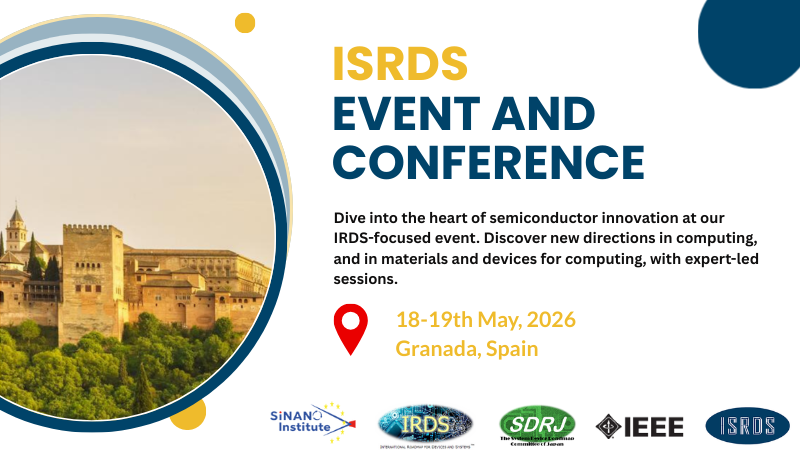
IRDS/ISRDS Workshop in Granada
Thank You for Your Attention!
Scoping Review of AI, Metrology, and
ESG in the Semiconductor Sector
Implications for Safe and Sustainable by Design (SSbD)
RS-MI-2B: AI, Generative AI & Digital Transformation, ICE 32nd Ed.
Tuesday, 23/June/2026: 3:00pm - 4:20pm; Location: Room Miragaia